


How do you make your swimming pool ready for summer? A step-by-step plan

When the weather heats up, nothing beats a refreshing dip in your swimming pool — except when your water starts looking like a mud bath or algae tank. If you’re one of the lucky homeowners with a garden pool, it’s time to get it ready for the summer season.
Table of Contents
Step 1: Thorough Pool Cleaning
After months under a cover, both your pool and water need attention. Start with a deep clean:
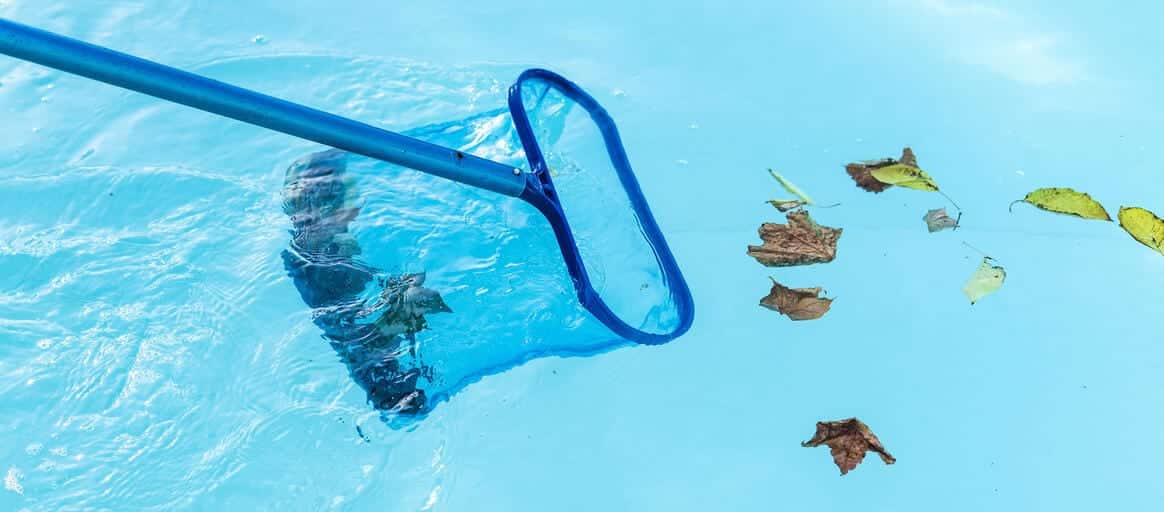
- Remove leaves and floating debris using a scoop net or telescopic rod.
- Use a manual or automatic pool vacuum cleaner to eliminate finer dirt particles.
- Clean the pool edges, roller shutter, and cover to remove limescale and grime.
Step 2: Check Technical Installations
A clean pool is only the first step. Next, inspect all technical systems:
- Backwash the filter: Perform weekly to prevent clogging. Turn off the pump, set the lever to ‘waste,’ rinse the filter, then restart the pump. Replace sand filters every 3–5 years.
- Ensure inlets are not blocked, so water returns properly to the pool.
- Clean skimmer collection filters and the suction drainage system at the pool bottom.
- Turn the heater back on if you plan to swim immediately.
Step 3: Improve Water Quality
Even crystal-clear water may not be healthy. Test and adjust water quality:
- pH level: Ideal range is 7.2–7.6. Use pH Plus or pH Minus if adjustments are needed.
- Chlorine level: Maintain around 1 mg/litre to prevent bacteria growth. Instead of chlorine tablets, consider salt electrolysis, a more environmentally-friendly and precise method.
Step 4: Disinfect Your Pool with Salt Electrolysis
Salt electrolysis uses salt (NaCl) instead of chlorine as a disinfectant. An electrode splits the salt into sodium and chloride:
- Sodium binds with water, while chloride disinfects the pool.
- Chloride recombines with sodium after reacting, making the process repeatable and highly efficient.
- Disinfection is automatic, reducing the risk of skin and eye irritation compared to chlorine tablets or dosing pumps.
- Salt electrolysis provides clean, soft water for a safer and more enjoyable swimming experience.
✅ Tip: Using high-purity swimming pool salt ensures optimal disinfection, protects your equipment, and keeps your pool water safe, clear, and gentle on the skin.
