


What Is Salt Made Of? The Science Behind This Everyday Mineral
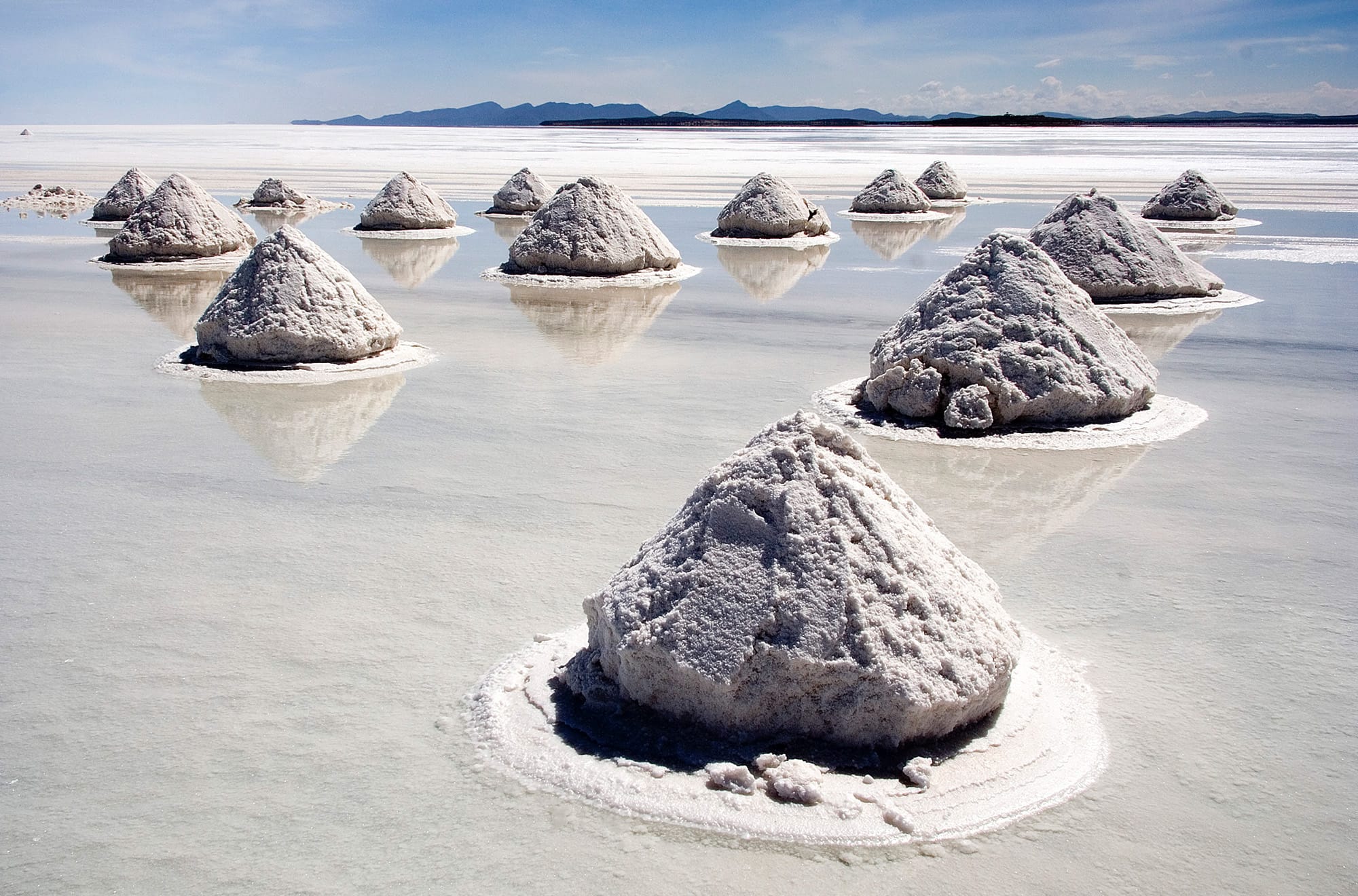

Salt is more than just a seasoning — it’s a complex mineral with a fascinating composition that varies depending on its source. Chemically, salt is primarily sodium chloride (NaCl), a compound essential to human health and food preservation. But natural salts, especially those mined from ancient seabeds or evaporated from seawater, often contain additional minerals that impact their taste, color, and potential health benefits.
Table of Contents
Main Components of Salt:
- Sodium (Na) – Regulates fluid balance outside the cells and helps maintain healthy blood pressure. Sodium works closely with potassium through the sodium-potassium pump, which moves these ions across cell membranes to generate electrical signals essential for nerve impulses and muscle contractions.
- Chloride (Cl) – Partners with sodium to keep fluid balance and electrical neutrality in the body. In the stomach, chloride combines with hydrogen ions to form hydrochloric acid (HCl), a key component for digesting food.
Trace Minerals Often Found in Salt:
Depending on the origin, natural salt may also include:
- Magnesium – Supports muscle relaxation and nerve function by regulating electrical signals in cells. Magnesium also helps many enzymes produce energy and balances calcium to control muscle contraction and relaxation.
- Calcium – Builds strong bones and teeth. Calcium is also essential for muscle contraction, nerve communication, and blood clotting, working together with magnesium to regulate these processes.
- Potassium – The main ion inside cells, potassium balances fluids and helps keep the heartbeat steady. It works with sodium in the sodium-potassium pump to maintain the electrical activity necessary for muscles and nerves to function properly.
- Iron – Gives Himalayan salt its pink color and plays a vital role in transporting oxygen in the blood. Iron is a key part of hemoglobin, which carries oxygen from the lungs to all parts of the body.
- Sulfur – Usually present as sulfate. Gives some salts a more “mineral-rich” flavor and plays a role in making important structural molecules and in detoxification processes.
These minerals not only contribute to salt’s nutritional profile but also:
- Alter the texture (e.g., flaky vs. coarse)
- Influence the color (e.g., white, grey, pink)
- Affect the flavor profile, from sharp and clean to mild and earthy
Each industry requires a different type of salt, depending on its intended use. While trace elements may be beneficial in certain sectors, they can pose risks or challenges in others. That’s why we perform salt analysis: to identify the presence and concentration of these elements and ensure the salt meets the exact specifications of its end use.
Types of Salt and Their Mineral Content
| Salt Type | Origin | Notable Minerals | Color |
| Refined Salt | Mined or evaporated | Mostly NaCl (often refined) | White |
| Sea Salt | Evaporated seawater | Magnesium, calcium, potassium, sulfates | Off-white |
| Rock Salt | Underground mines | Varies (can include sulfur, iron) | White/grey |
💡 Refined table salt usually contains added iodine, while unrefined salts keep their natural trace minerals.
⚠️ Health Note:
While trace minerals offer small benefits, salt should still be consumed in moderation. The World Health Organization (WHO) recommends less than 5g (about 1 teaspoon) of salt per day for adults.
📚 References:
- S. Geological Survey (USGS). Salt Statistics and Information.
- National Institutes of Health (NIH). Sodium: Fact Sheet for Health Professionals
- World Health Organization (WHO). Salt reduction
- Harvard T.H. Chan School of Public Health. The Nutrition Source – Sodium
- Baaij, J. H. F., et al. (2015). Magnesium in man: implications for health and disease. Physiological Reviews, 95(1), 1-46. https://doi.org/10.1152/physrev.00012.2014
- Flynn, A. (2003). The role of dietary calcium in bone health. Proceedings of the Nutrition Society, 62(4), 851–858. https://doi.org/10.1079/pns2003301
- Gadsby, D. C. (2009). Ion channels versus ion pumps: the principal difference, in principle. Nature Reviews Molecular Cell Biology, 10(5), 344–352. https://doi.org/10.1038/nrm2668
- Crichton, R. R., & Charloteaux-Wauters, M. (1987). Iron transport and storage. European Journal of Biochemistry, 164(3), 485-506. https://doi.org/10.1111/j.1432-1033.1987.tb11155.x
- Coughtrie, M. W. H., et al. (1994). Sulfation of endogenous compounds and xenobiotics—interactions and function in health and disease. Chemico-Biological Interactions, 92(1-3), 247–256. https://doi.org/10.1016/0009-2797(94)90067-1