
Coarse sea salt and fleur de sel: what’s the difference?
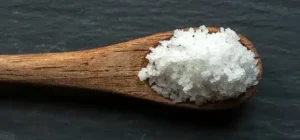
Although the terms coarse sea salt and fleur de sel are sometimes used interchangeably, they are actually two very different types of salt. While both are harvested from seawater and share a coarse texture, their production methods, structure, taste, and culinary uses vary significantly.
Understanding these differences can help consumers, chefs, and food manufacturers choose the right salt for every application.
Table of Contents
What Is Coarse Sea Salt?
Coarse Sea Salt is a widely used salt with a grain size typically ranging from 1 to 6 mm (1000 to 6000 microns).
It is produced on a large scale through a refining process that generally includes:
- Washing
- Drying
- Sieving
This process creates a salt with:
- A dry texture
- Hard, clearly defined grains
- Consistent quality and flowability
Because of its efficient production process, coarse sea salt is relatively affordable and highly versatile.
Common Uses of Coarse Sea Salt
Coarse sea salt is commonly used for:
- Salt crust cooking
- Everyday seasoning
- Salt grinders and mills
- Brine preparation
- Smoking and curing foods
- Seasoning snacks, fish, and meat products
Its hard grain structure makes it particularly suitable for use in salt mills.
What Is Fleur de Sel?
Fleur de Sel is a premium sea salt known for its delicate texture and refined taste.
Unlike coarse sea salt, fleur de sel is:
- Harvested manually
- Collected from the top layer of salt ponds
- Naturally dried without industrial processing
Its grain size generally ranges between 0 and 4 mm (0 to 4000 microns).
Because the harvesting process is labor-intensive and production volumes are limited, fleur de sel is considered a luxury salt and is usually more expensive.
Unique Characteristics of Fleur de Sel
Fleur de sel stands out because of its:
- Moist texture (up to 10% moisture)
- Soft crystal structure
- High mineral content, including calcium and magnesium
- Mild and refined flavor profile
Due to its soft and moist consistency, fleur de sel is not suitable for salt grinders or mills.
Culinary Uses of Fleur de Sel
Chefs and gourmet cooks often use fleur de sel as a finishing salt to:
- Enhance flavor
- Add texture
- Elevate presentation
It is typically sprinkled over dishes just before serving rather than used during cooking.
Key Differences Between Coarse Sea Salt and Fleur de Sel
| Coarse Sea Salt | Fleur de Sel |
|---|---|
| Produced on a large scale | Harvested manually |
| Washed, dried, and sieved | Naturally dried and unprocessed |
| Dry texture | Moist texture |
| Hard grains | Soft crystals |
| More affordable | Premium-priced |
| Suitable for salt mills | Not suitable for salt mills |
| Commonly used in cooking and food production | Mainly used as a finishing salt |
Which Salt Should You Choose?
The right choice depends on how you plan to use it.
Choose coarse sea salt if you need:
- A versatile everyday salt
- Salt for grinders and mills
- Cost-effective seasoning for cooking or food production
Choose fleur de sel if you want:
- A premium finishing salt
- A softer texture and subtle flavor
- An elegant touch for gourmet dishes
Both salts offer unique advantages and can play an important role in professional kitchens as well as home cooking.