
How Much Celtic Sea Salt Per Day? A Guide to Daily Salt Intake
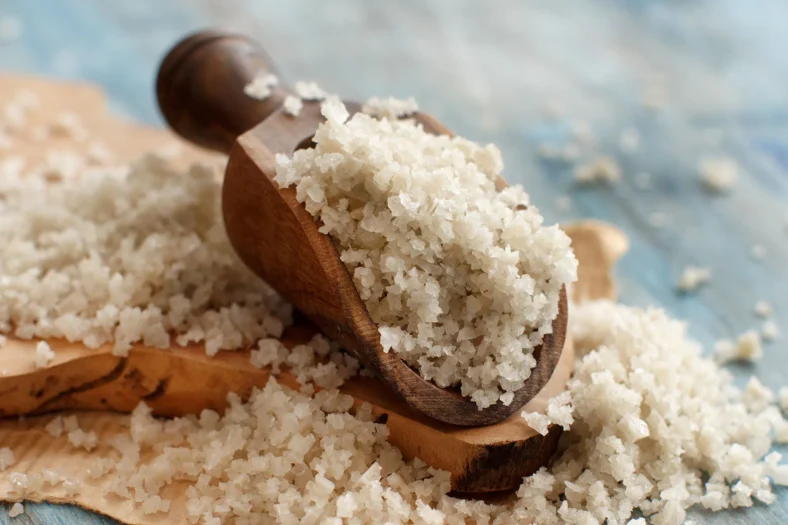
Celtic sea salt is a popular unrefined sea salt known for its distinctive grey colour, slightly moist texture and characteristic flavour. Traditionally associated with the coastal salt marshes of Brittany, France, it is often chosen for cooking and finishing dishes.
But how much Celtic sea salt per day is appropriate?
Although Celtic sea salt contains small amounts of naturally occurring minerals, it is still primarily sodium chloride. Like other types of salt, it should therefore be consumed in moderation. The important consideration is your total daily sodium intake, including sodium from processed foods, sauces, packaged products and other sources.
Table of Contents
What Is Celtic Sea Salt?
Celtic sea salt, sometimes called Sel Gris or grey salt, is a minimally processed sea salt traditionally harvested from coastal salt ponds in Brittany, France.
Its characteristic grey colour and slightly moist texture distinguish it from highly refined table salt. Celtic sea salt may retain small amounts of naturally occurring minerals and trace elements, including magnesium, potassium and calcium.
However, these minerals are present in relatively small quantities. Celtic sea salt should therefore not be considered a significant source of essential nutrients, and its primary nutritional contribution remains sodium.
How Much Celtic Sea Salt Should You Have Per Day?
There is no separate daily recommended allowance specifically for Celtic sea salt. The same general sodium recommendations that apply to other salts also apply to Celtic sea salt.
For most adults, the American Heart Association recommends no more than 2,300 mg of sodium per day, with an ideal limit of around 1,500 mg per day for most adults, particularly for people who need to manage blood pressure.
It is important to remember that 2,300 mg refers to sodium, not salt.
Because table salt and sea salt are both primarily sodium chloride, the amount of sodium they provide is broadly similar by weight. The small amount of additional minerals found in Celtic sea salt does not significantly change its sodium contribution.
Your total intake includes sodium from all foods and beverages consumed throughout the day, not just the salt you add while cooking.
Why Is Sodium Important in the Diet?
Sodium is an essential mineral that the body needs in appropriate amounts. It contributes to several important physiological functions, including:
- Maintaining fluid balance
- Supporting normal nerve function
- Helping muscles function properly
- Contributing to normal blood pressure regulation
However, the body needs only a relatively small amount of sodium. Regularly consuming excessive amounts can contribute to increased blood pressure and may increase the risk of cardiovascular and kidney problems.
The goal is therefore not to eliminate sodium completely, but to maintain an appropriate overall intake.
How to Use Celtic Sea Salt Responsibly
Celtic sea salt can be incorporated into a balanced diet in much the same way as other culinary salts. The key is to monitor your overall sodium consumption.
1. Keep Track of Your Total Sodium Intake
When considering how much Celtic salt per day to use, remember that the salt added during cooking is only one source of sodium.
Processed and packaged foods can contain significant amounts of sodium, including sauces, cured meats, ready-made meals, snacks and other prepared products.
Checking nutrition labels can help you understand how much sodium you are consuming throughout the day.
2. Measure Rather Than Guess
It is easy to add more salt than intended when seasoning food by hand.
Using a measuring spoon when cooking can help you control the amount of Celtic sea salt you use and maintain a more consistent sodium intake.
3. Include Potassium-Rich Foods
A balanced diet should include adequate potassium from foods such as bananas, oranges, spinach, avocados and sweet potatoes.
Potassium plays an important role in fluid balance and cardiovascular function. However, increasing potassium should not be viewed as a way to offset excessive sodium consumption.
4. Reduce Salt Gradually
If you are accustomed to heavily salted foods, reducing your intake gradually can make the transition easier.
Try replacing some of the salt with herbs, spices, garlic, lemon juice or salt-free seasonings. Over time, your palate can adapt to less salty flavours.
5. Limit Highly Processed Foods
A significant amount of dietary sodium can come from processed and packaged foods rather than salt added at home.
Choosing more fresh foods and checking nutrition labels can make it easier to manage your overall sodium intake.
Does Celtic Sea Salt Have Health Benefits?
Celtic sea salt is often marketed as a mineral-rich alternative to refined table salt. While it may contain small amounts of minerals such as magnesium, calcium and potassium, these quantities are generally not large enough to make Celtic sea salt an important nutritional source of these minerals.
Its main advantage for cooking is its distinctive flavour, texture and culinary characteristics.
Claims that Celtic sea salt provides major benefits for immunity, detoxification, skin conditions or other health conditions should be treated cautiously. There is currently no strong evidence that Celtic sea salt provides unique health benefits that cannot be obtained from other types of salt.
For nutritional purposes, the most important factor remains the amount of sodium consumed.
Potential Risks of Eating Too Much Celtic Sea Salt
Because Celtic sea salt is still primarily sodium chloride, excessive consumption can have the same concerns associated with excessive intake of other salts.
High Blood Pressure
A high sodium intake can cause the body to retain more water and can contribute to increased blood pressure in many people.
High blood pressure often has no obvious symptoms but is an important risk factor for cardiovascular disease and stroke. Maintaining an appropriate sodium intake can therefore be an important part of a healthy diet.
Cardiovascular Health
Long-term excessive sodium consumption can contribute to high blood pressure, which in turn can increase the risk of cardiovascular disease.
Using Celtic sea salt instead of table salt does not eliminate this concern because both are major sources of sodium.
Stroke Risk
High sodium intake can contribute to elevated blood pressure, one of the major risk factors for stroke.
Keeping sodium consumption within recommended limits is therefore an important part of maintaining cardiovascular health.
Kidney Health
The kidneys play a central role in regulating sodium and fluid levels in the body.
Consistently consuming excessive amounts of sodium can place additional demands on this regulatory system and may be particularly concerning for people who already have kidney disease.
People with kidney conditions should follow the sodium recommendations provided by their healthcare professional.
Bone Health
High sodium intake may increase urinary calcium loss. While sodium is only one of many factors involved in bone health, maintaining a balanced diet and avoiding excessive salt consumption can support overall nutritional health.
Who May Need Less Celtic Sea Salt?
Individual sodium requirements can vary depending on health status, age, diet and other circumstances.
People With High Blood Pressure
People with high blood pressure may benefit from reducing sodium intake. Your healthcare professional can recommend an appropriate daily target based on your individual needs.
People With Kidney or Heart Conditions
Individuals with kidney disease, heart failure or other medical conditions may need stricter sodium limits.
If you have a medical condition that requires sodium restriction, consult your doctor or registered dietitian before making significant changes to your diet.
People Following a Specific Diet
Those following low-sodium diets or other medically recommended dietary plans should include Celtic sea salt within their prescribed sodium limits rather than treating it as a separate category of salt.
How to Incorporate Celtic Sea Salt Into Your Diet
Celtic sea salt can be used in a variety of culinary applications.
Cooking
Use a small amount of Celtic sea salt while preparing vegetables, meat, fish, soups, sauces and other dishes to enhance their flavour.
Finishing Salt
Because of its distinctive texture and flavour, Celtic sea salt can also be used as a finishing salt. A small amount sprinkled over a finished dish can provide a noticeable flavour and texture without requiring large quantities.
Baking
Salt is commonly used in bread, pastries and other baked products to balance flavours and support the overall taste of the recipe.
Replacing Other Culinary Salts
Celtic sea salt can be used in place of other culinary salts when its flavour and texture are preferred. However, changing the type of salt does not automatically reduce sodium intake.
Is Celtic Sea Salt Better Than Regular Salt?
Celtic sea salt and regular table salt differ primarily in their processing, texture, appearance and mineral composition.
Celtic sea salt is generally less processed and may retain trace amounts of naturally occurring minerals, while table salt is typically more refined and may contain added iodine and anti-caking agents.
From a sodium perspective, however, both should be consumed in moderation.
Therefore, the choice between Celtic sea salt and table salt is largely a matter of culinary preference and product characteristics rather than a reason to consume more salt.
Frequently Asked Questions
How much Celtic sea salt can I have per day?
There is no separate recommended daily amount specifically for Celtic sea salt. Instead, monitor your total sodium intake. The American Heart Association recommends no more than 2,300 mg of sodium per day for most adults, with an ideal limit of around 1,500 mg for most adults.
Is Celtic sea salt healthier than regular salt?
Celtic sea salt contains small amounts of naturally occurring minerals and has a distinctive flavour and texture. However, it is still primarily sodium chloride, so it should be consumed in moderation like other salts.
Does Celtic sea salt contain sodium?
Yes. Celtic sea salt is primarily sodium chloride and therefore contains a substantial amount of sodium. Its trace mineral content does not eliminate the need to monitor sodium intake.
Can I use Celtic sea salt every day?
Yes, Celtic sea salt can be used as part of a balanced diet, provided your overall sodium intake remains within an appropriate range.
Does Celtic sea salt provide electrolytes?
Celtic sea salt contains sodium and small amounts of other minerals. Sodium is an important electrolyte, but Celtic sea salt should not be viewed as a substitute for a balanced diet or medically appropriate electrolyte products.
Is Celtic sea salt good for high blood pressure?
Celtic sea salt is not a treatment for high blood pressure. Because it contains sodium, excessive consumption may contribute to elevated blood pressure. People with hypertension should follow their healthcare professional’s advice regarding sodium intake.
The Bottom Line: How Much Celtic Sea Salt Per Day?
Celtic sea salt can add distinctive flavour and texture to everyday cooking, but it should still be treated as a source of sodium rather than as a health supplement.
For most adults, keeping total sodium intake below 2,300 mg per day is a useful general target, while some people may benefit from a lower limit. Remember that this includes sodium from all foods and beverages consumed throughout the day.
If you have high blood pressure, kidney disease, heart disease or another condition requiring sodium restriction, speak with a healthcare professional for personalized guidance.
Choose Celtic sea salt for its culinary qualities, distinctive texture and flavour, and use it thoughtfully as part of a balanced diet.
Discover quality food-grade salt with moses. Contact our team to learn more about our range of food-grade and specialty salt products.
Request a quote
Contact Us to Request a quote