
EN973 for Water Treatment Salt: Everything You Need to Know About Quality Standards
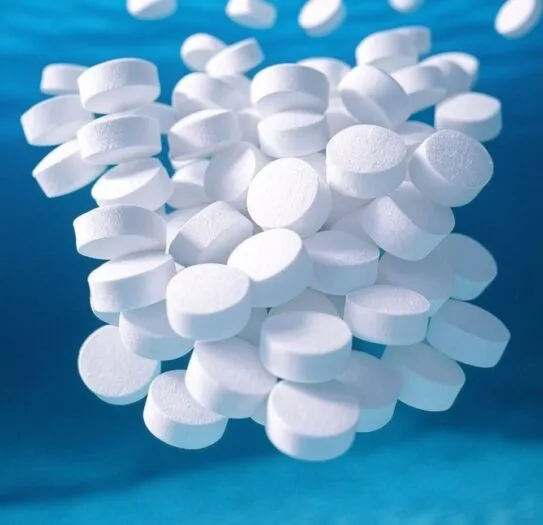
When it comes to salt for water treatment, quality and purity are essential. In Europe, manufacturers and suppliers of water treatment salt must comply with a range of strict quality standards covering production processes, testing methods, additives, purity, and other product characteristics.
These standards help ensure that the salt used for water softening and water treatment is safe, reliable, and suitable for its intended application. Among the most important standards in this field is EN 973, which specifically defines requirements for sodium chloride used in the regeneration of ion exchange resins for water intended for human consumption or food production.
In addition to EN 973, several other European standards and regulations apply to specific water treatment and disinfection applications. This guide explains the most important standards you need to know when selecting salt for water treatment.
Table of Contents
What Is EN973?
Anyone researching regulations for salt used in water treatment will quickly come across EN 973. EN standards are European standards that define specific technical and quality requirements for products and materials used in different applications.
The abbreviation EN is followed by a series of numbers that identify the applicable European standard. In the case of water treatment salt, these standards can relate to factors such as:
- Sodium chloride purity
- Product quality
- Grain size distribution
- Insoluble matter
- Moisture content
- The presence or absence of additives
- Production and testing requirements
For water softening, EN 973 Type A is particularly important because it applies specifically to sodium chloride used for regenerating ion exchangers that treat water intended for human consumption or food production.
EN 973 Type A: The Key Standard for Water Softening Salt
EN 973 Type A is the European standard that applies to sodium chloride used for the regeneration of ion exchangers in water treatment systems.
The standard is based on the former DIN and AFNOR standards and establishes requirements for the quality and characteristics of sodium chloride, together with the relevant test methods.
For applications involving water softening, choosing salt that complies with EN 973 Type A is particularly important. Salt meeting the Type A requirements has the highest purity level within the EN 973 classification described here.
By comparison, EN 973 Type B salt has a lower purity level and is therefore not recommended for water softening applications.
When purchasing salt for a water softener, checking whether the product complies with EN 973 Type A can therefore help ensure that the salt is appropriate for its intended use.
EN Standards for Water Treatment Salt
While EN 973 is one of the most relevant standards for water softening salt, other European standards apply to different water treatment and electrochlorination applications.
EN 16370
EN 16370 is a European standard for sodium chloride used in in situ electro-chlorination for the disinfection of water intended for human consumption.
The electro-chlorination process covered by this standard involves membrane cells. EN 16370 specifies the characteristics of the salt, the applicable requirements, and the corresponding testing methods.
Among the characteristics specified, the salt is additive-free and contains 99.9% NaCl.
EN 14805
EN 14805 specifies requirements for sodium chloride used for the on-site electrochlorination of drinking water without membranes.
The standard covers requirements relating to the sodium chloride used in the process, including minimum purity requirements and physical characteristics such as moisture content. It also defines the relevant testing methods.
EN 16401
EN 16401 is a European standard covering sodium chloride used in electro-chlorinator systems.
This standard does not apply to mixtures containing other chemicals used for swimming pool water treatment.
EN 16401 describes the characteristics of sodium chloride and establishes the relevant requirements and testing methods. One important requirement is that the salt must not contain additives.
EN 16401 Type A salt has the highest purity level, while Type B salt has a lower purity level.
BPR EU 528/2012 and Salt Used for Disinfection
In addition to the EN standards, European legislation also applies to certain salt applications.
BPR EU 528/2012 refers to European biocidal legislation concerning the trade and use of biocides containing active substances. These substances are used to protect humans, animals, materials, or objects against harmful organisms such as pests and bacteria.
In Belgium, products complying with this legislation are also recognized as precursors for in situ generated active chlorine, and each product has its own notification number.
Salt used in biocidal processes, including disinfection, has been recognized as a biocide and must therefore be registered.
What About the Old DIN and AFNOR Standards?
When researching water treatment salt, you may still find references to older standards on outdated websites or product packaging.
Two examples are:
- DIN 19604 – a former German national standard.
- AFNOR T90 612 – a former French national standard.
These DIN and AFNOR standards have been withdrawn and replaced by the European EN 973 standard.
Therefore, when comparing modern water softening salt products, it is important to focus on the applicable current European requirements, particularly EN 973 Type A for salt used in water softening.
Why Is EN973 Important When Choosing Water Softening Salt?
Quality standards provide an important reference when purchasing salt for water treatment.
For water softening, the applicable standard helps define the required characteristics and quality of the sodium chloride used to regenerate ion exchange systems.
Choosing EN 973 Type A salt provides a clear indication that the product meets the requirements associated with this specific water treatment application.
Other standards, such as EN 16370, EN 14805, and EN 16401, apply to specific electrochlorination and disinfection applications. Therefore, the correct standard depends on how the salt will be used.
EN973 and Other Water Treatment Standards: A Quick Overview
The following overview shows the standards and legislation associated with the different Soft-Sel® products:
| Product | EN 973 Type A | EN 16401 | BPR EU 528/2012 | EN 14805 | EN 16370 |
|---|---|---|---|---|---|
| MOSES® CRYSTALS | ✓ | ✓ | ✓ | ✓ Type 2 | — |
| MOSES® GRANULAR | ✓ | ✓ | — | — | ✓ Type 2 |
| MOSES® PLUSS | ✓ | ✓ | ✓ | ✓ Type 1 | ✓ Type 2 |
| MOSES® REGULAR | ✓ | ✓ | — | — | ✓ Type 2 |
| MOSES® BLOCKS | ✓ | — | — | — | — |
| — | ✓ | ✓ | — | — |
Choosing the Right Salt Standard
The right salt should always be selected according to its intended application. Salt for water softening is not necessarily subject to the same requirements as salt used for electrochlorination or disinfection.
If you require salt for water treatment, always check the applicable EN standard, product specifications, and current regulations before purchasing.
For water softening applications, EN 973 Type A is the key European standard to look for. The relevant standards and regulatory requirements should be clearly indicated on the product packaging or accompanying product information.
By choosing salt that complies with the appropriate quality standard, water treatment professionals and end users can have greater confidence in the product’s purity, quality, and suitability for its intended application.
Request a quote
Contact Us to Request a quote