
Brown Salt vs White Salt: What’s the Difference?
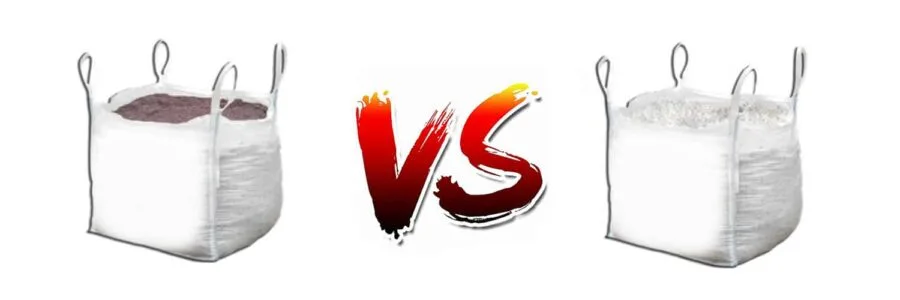
When winter arrives, choosing the right de-icing salt can make a significant difference to the safety, cleanliness and appearance of roads, pavements and car parks.
Two common options are brown salt, also known as brown grit or rock salt, and white de-icing salt, which is typically produced from marine salt. Although both are primarily based on sodium chloride and are used to prevent and remove ice, they differ considerably in their source, purity, appearance, moisture content and the amount of dirt and dust they leave behind.
So, what is the difference between brown salt and white salt? And which type is more suitable for roads, car parks and commercial properties?
Table of Contents
What Is Brown Salt?
Brown salt, often called brown grit salt or rock salt, is mined from underground salt deposits. These deposits were formed from ancient seas that evaporated millions of years ago.
In the UK, brown rock salt has traditionally been sourced from indigenous underground salt mines, including deposits in Cheshire and other regions.
Because brown rock salt undergoes relatively little processing, it contains sodium chloride along with naturally occurring insoluble materials such as dirt, grit, sand and other earthy matter.
These additional materials give brown salt its characteristic brown or darker appearance.
What Is White De-Icing Salt?
White de-icing salt is generally a marine salt produced by evaporating seawater.
Compared with brown rock salt, white salt undergoes greater purification and contains significantly fewer insoluble materials. The result is a much cleaner and more uniform product.
The source material describes white marine salt as containing more than 99% sodium chloride, while the remaining insoluble content is very low.
Because of its higher purity and clean appearance, white salt is particularly popular for applications where cleanliness and presentation are important, such as commercial car parks, retail properties, offices and other managed sites.
Brown Salt vs White Salt: Key Differences
The main differences between brown and white de-icing salt relate to source, purity, appearance, dirt content, dust, moisture and typical applications.
| Feature | Brown Salt / Rock Salt | White De-Icing Salt |
|---|---|---|
| Source | Mined underground | Produced from seawater |
| Processing | Minimal processing | More highly purified |
| Appearance | Brown or darker | White and clean |
| Main component | Sodium chloride | Sodium chloride |
| Insoluble material | Higher | Much lower |
| Dust content | Can be relatively high | Generally lower |
| Typical applications | Roads and public highways | Car parks, commercial sites and private areas |
| Main advantage | Cost-effective and widely available | Clean appearance and more precise spreading |
Why Is Brown Salt Brown?
The brown colour of rock salt comes from the natural insoluble materials contained within the mined salt.
Unlike highly purified white salt, brown rock salt is not extensively refined to remove all of these materials. As a result, the product can contain varying amounts of dirt, grit and other naturally occurring impurities.
These materials can also contribute to traction on icy surfaces, which is one reason brown grit has traditionally been widely used for winter road maintenance.
However, the additional material can also leave behind mud, grit and sludge after the ice and snow have melted.
Why Is White Salt Cleaner?
White salt has a higher level of purity because it undergoes additional processing to remove most insoluble materials.
According to the figures in the source material, UK brown grit can contain approximately 5–7.5% dirt, while the white salt referenced contains less than 0.15%.
This creates a significant difference when large quantities of salt are spread across roads, pavements and car parks.
Less insoluble material means less dirt and sludge is left behind once the salt has done its job.
Brown Salt vs White Salt: Dust Content
Dust is another important difference between the two types of de-icing salt.
The source material states that brown grit can contain up to 20% dust, compared with less than 5% for the white salt referenced.
Reducing dust can be particularly important in areas where salt is being spread close to buildings, entrances, landscaped areas and vegetation.
Lower dust levels can also contribute to a cleaner working environment and reduce the amount of material that can be carried away from the intended spreading area.
Moisture Content and De-Icing Performance
Moisture content is another characteristic that distinguishes brown grit from the white marine salt described in the source material.
The brown grit referenced contains approximately 0.1% moisture, while the white marine salt contains approximately 3% moisture.
A certain amount of moisture can help salt begin dissolving more quickly when it comes into contact with ice and water. It can also help the salt adhere to the treated surface.
This can be useful when the objective is to achieve a rapid de-icing response and reduce the risk of salt being displaced by traffic or wind.
However, actual melting performance depends on several factors, including air and surface temperature, salt application rate, moisture, traffic, ice thickness and weather conditions.
Where Is Brown Salt Used?
Brown rock salt is widely associated with winter highway maintenance.
Highway authorities, local councils and organisations responsible for large road networks have traditionally used brown salt because it is relatively inexpensive and available in large quantities.
It is particularly suited to applications where treating extensive areas is the primary consideration and the appearance of the surface after treatment is less important.
Typical applications include:
- Public roads
- Highways
- Pavements
- Large outdoor areas
- Municipal winter maintenance
- Gritting routes
Where Is White De-Icing Salt Used?
White salt is often preferred where cleanliness, appearance and controlled spreading are important.
Typical applications include:
- Supermarket car parks
- Office car parks
- Commercial properties
- Retail parks
- Hospitals
- Private car parks
- Business premises
- Pedestrian areas
- Sites where clean entrances are important
Because white salt contains fewer insoluble materials, it can leave significantly less dirt and residue behind compared with brown grit.
Why Choose White Salt for Car Parks?
For businesses, a car park is often the first physical point of contact between a customer and the company.
During winter, the choice of de-icing salt can therefore have an impact beyond simply preventing ice.
Brown grit can leave slush, mud and dirt on the surface after treatment. This material can then be carried into buildings by customers, employees and vehicles.
For supermarkets, retail parks, offices and other customer-facing businesses, a cleaner de-icing material can help maintain a more presentable environment.
The same consideration can apply to hospitals and healthcare facilities, where cleanliness and the appearance of entrances and pedestrian areas are particularly important.
White Salt and Environmental Considerations
The amount of dirt and dust associated with de-icing salt can also be an important consideration.
When large quantities of material are spread across roads and other surfaces, insoluble particles can eventually be removed by rainwater or street cleaning.
Using a cleaner salt with a lower insoluble content can reduce the amount of additional material being introduced onto treated surfaces.
Dust is another consideration, particularly near vegetation and landscaped areas. Lower dust levels can help reduce the amount of fine material that is dispersed away from the intended treatment area.
The environmental impact of any de-icing material depends on its application rate, local conditions, drainage and the amount used. For this reason, salt should always be applied responsibly and at an appropriate rate.
How Much Brown Salt and White Salt Is Used?
The scale of winter salt usage can be substantial.
The source material states that approximately two million tonnes of salt are spread on roads, pavements and car parks in the UK each year, although actual usage varies considerably depending on winter weather and temperatures.
The colder and more severe the winter, the greater the demand for de-icing materials is likely to be.
This also demonstrates why even relatively small differences in the composition of de-icing salt can become significant when products are used at large scale.
Which Is Better: Brown Salt or White Salt?
There is no single answer because the best choice depends on the application.
Brown salt can be a practical and cost-effective option for large-scale road and highway maintenance where availability, price and extensive coverage are priorities.
White salt is often a better choice for commercial and private areas where cleanliness, appearance and lower levels of insoluble material are important.
In simple terms:Choose brown salt when cost-effective large-scale gritting is the priority. Choose white de-icing salt when cleanliness, appearance and lower levels of dirt and dust are important.
Brown Salt vs White Salt: Which Should Businesses Buy?
For businesses, the decision should not necessarily be based on the purchase price of the salt alone.
A cheaper product can result in additional cleaning requirements if it leaves significant amounts of dirt, grit and sludge behind.
For a supermarket, office complex, hospital or commercial property, these additional considerations can include:
- Cleaning around entrances
- Removing mud and sludge
- Maintaining the appearance of customer areas
- Protecting the presentation of the property
- Managing dust and residue
- Keeping pedestrian areas clean
When these factors are considered, white de-icing salt can offer advantages beyond its de-icing function.
Choosing the Right De-Icing Salt
The right salt depends on several factors, including:
- Where the salt will be used
- The size of the area being treated
- Expected winter temperatures
- Required spreading accuracy
- Importance of surface cleanliness
- Available storage
- Budget and salt consumption
- Local environmental requirements
For large highway networks, brown rock salt may be the practical choice. For customer-facing commercial properties, white salt can provide a cleaner alternative.
Frequently Asked Questions About Brown and White Salt
What is the difference between brown salt and white salt?
Brown salt is typically mined rock salt that contains more natural insoluble materials such as dirt and grit. White de-icing salt is generally produced from seawater and undergoes greater purification, resulting in a cleaner and more uniform product.
Is brown salt the same as rock salt?
Brown salt used for winter gritting is commonly referred to as rock salt because it is mined from underground salt deposits.
Is white salt better than brown salt for de-icing?
It depends on the application. Brown salt is widely used for large-scale road maintenance because it is cost-effective and readily available. White salt can be preferable for car parks and commercial areas where cleanliness and appearance are important.
Why does brown salt leave mud and sludge?
Brown rock salt contains insoluble materials such as dirt, grit and other earthy matter. After the ice melts, some of these materials remain on the surface and can contribute to mud, grit and sludge.
Does white salt melt ice faster than brown salt?
Melting performance depends on several factors, including temperature, concentration, application rate and moisture. White salt can have advantages because its higher purity means a greater proportion of the material is sodium chloride.
Why is white de-icing salt used in supermarket car parks?
White salt is often selected for commercial car parks because it contains fewer insoluble materials and can leave less dirt and residue behind, helping maintain a cleaner appearance around customer entrances and pedestrian areas.
Can brown and white salt be used on roads?
Yes. Both can be used for winter de-icing applications, although the choice depends on the requirements of the road or site, local practices, product specifications and environmental considerations.
Does white salt contain less dust?
The source material indicates that the white salt referenced contains significantly less dust than the brown grit described. Exact dust content varies by product and supplier.
Conclusion
Both brown salt and white de-icing salt are used to prevent and manage ice during winter, but they have different characteristics.
Brown rock salt is minimally processed and contains higher levels of natural insoluble material. Its lower cost and widespread availability make it a common choice for large-scale highway and road maintenance.
White de-icing salt is more highly purified and contains considerably less dirt, grit and dust. This makes it particularly attractive for commercial car parks, retail properties, offices, hospitals and other areas where cleanliness and appearance matter.
Ultimately, choosing between brown and white salt comes down to the specific requirements of the site. Cost, application area, winter conditions, cleanliness, spreading requirements and environmental considerations should all be taken into account.
At Moses Export, we can help businesses identify the most suitable salt solution for their winter maintenance requirements. Whether you need de-icing salt for roads, car parks or commercial properties, selecting the right product can make winter maintenance more effective and efficient.
Request a quote
Contact Us to Request a quote