
Epsom Salt Bath Benefits: Uses, How It Works and How to Use It
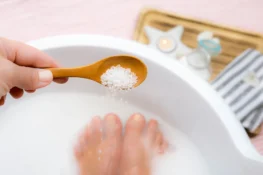
An Epsom salt bath is a simple and relaxing addition to a personal wellness routine. Epsom salt dissolves easily in warm water and is commonly used in baths and foot soaks to create a soothing experience after a long day.
Many people use Epsom salt baths to relax tired muscles, soften the skin and enjoy a calming bathing experience. However, it is important to distinguish between traditional uses and scientifically established health benefits. While an Epsom salt bath can be relaxing, it should not be considered a treatment for medical conditions.
Table of Contents
What Is Epsom Salt?
Despite its name, Epsom salt is not the same as table salt. It is a mineral compound known chemically as magnesium sulfate (MgSO₄).
Epsom salt gets its name from Epsom, a town in Surrey, England, where magnesium sulfate was historically associated with natural mineral springs.
Unlike sodium chloride, the main component of culinary and many industrial salts, Epsom salt consists of magnesium, sulfur and oxygen.
Epsom salt intended for bathing is commonly available as white crystals that dissolve readily in warm water. Some bath products may also contain additional ingredients such as fragrances, essential oils or other skin-care ingredients.
Epsom salt should not be used as a substitute for food-grade salt or consumed unless a healthcare professional specifically recommends an appropriate pharmaceutical product.
How Does an Epsom Salt Bath Work?
When Epsom salt dissolves in water, it separates into magnesium and sulfate ions.
An Epsom salt bath primarily provides a warm-water soaking experience. Warm water itself can help relax the body and temporarily soothe tired or tense muscles.
Although Epsom salt is a source of magnesium, there is limited evidence that significant amounts of magnesium are absorbed through intact skin during a typical bath. Therefore, claims that Epsom salt baths reliably correct magnesium deficiency or “detox” the body should be treated with caution.
The body already has natural systems, particularly the liver and kidneys, that process and eliminate waste products.
How to Make an Epsom Salt Bath
Preparing an Epsom salt bath is relatively simple.
Step 1: Fill the Bath
Fill the bathtub with warm, comfortable water. Avoid water that is excessively hot, particularly if you have sensitive skin or a medical condition that makes you sensitive to heat.
Step 2: Add Epsom Salt
Add the recommended amount of Epsom salt according to the product manufacturer’s instructions.
Allow the crystals to dissolve in the water before entering the bath.
Step 3: Soak and Relax
Soak in the bath for approximately 10–20 minutes, or according to the instructions provided with your product.
There is no need to remain in the bath for extended periods to obtain additional benefits.
Step 4: Rinse and Moisturize
If your skin feels dry after bathing, rinse with clean water and apply a gentle moisturizer.
People with sensitive skin should stop using the product if irritation develops.
Epsom Salt Bath Benefits
Epsom salt baths are primarily valued for relaxation, skin care and comfort. Some commonly reported benefits include the following.
1. Helps Soften and Exfoliate the Skin
Epsom salt crystals can provide gentle physical exfoliation when used appropriately.
A warm bath can also help soften the outer layer of the skin, making it easier to remove surface debris and dead skin cells.
However, people with very sensitive or damaged skin should avoid aggressive scrubbing, as it may cause irritation.
2. Supports Relaxation
One of the most popular reasons people take an Epsom salt bath is simply to relax.
Warm water can help create a calming bathing experience and may temporarily reduce the sensation of muscle tension after physical activity or a long day.
The relaxing environment associated with a warm bath may also form part of a healthy bedtime routine.
3. Soothes Tired and Sore Muscles
A warm soak can be comforting after exercise or prolonged physical activity.
The heat of the water may help muscles feel more relaxed and temporarily ease the sensation of stiffness or soreness.
While many people attribute this effect specifically to the magnesium in Epsom salt, there is not enough evidence to conclude that an Epsom salt bath is significantly more effective than a warm bath without Epsom salt.
4. Provides a Calming Bathing Experience
Taking time to slow down and relax can be beneficial as part of a broader wellness routine.
An Epsom salt bath can provide a simple opportunity to disconnect from daily activities, relax the body and create a more comfortable bathing experience.
The combination of warm water, quiet time and a familiar routine may be particularly appealing before bedtime.
5. May Help You Feel More Comfortable After Exercise
After physical activity, muscles can feel tired or stiff.
A warm Epsom salt soak may provide temporary comfort and relaxation. However, it should be considered a complementary wellness practice rather than a treatment for sports injuries.
For significant pain, swelling, bruising or an injury that does not improve, professional medical advice is recommended.
6. Can Be Used for Foot Soaks
Epsom salt is commonly used in foot baths and foot soaks.
Soaking the feet in warm water can feel soothing after standing or walking for long periods. The salt crystals can also help cleanse and gently exfoliate the skin.
However, an Epsom salt foot soak should not be considered a proven treatment for fungal infections, gout, wounds or other medical conditions.
People with diabetes, poor circulation or open wounds should speak with a healthcare professional before soaking their feet.
7. Can Complement a Skin-Care Routine
An Epsom salt bath can be incorporated into a personal skin-care routine as a simple cleansing and exfoliating experience.
The crystals may help remove surface dead skin when used gently, while warm water can temporarily soften the skin.
If you have eczema, psoriasis or another skin condition, however, salt baths may irritate some people’s skin. Follow the advice of your dermatologist or healthcare professional if you have a diagnosed skin condition.
Does Epsom Salt Increase Magnesium Levels?
Epsom salt contains magnesium, but this does not necessarily mean that bathing in it significantly increases the body’s magnesium levels.
There is currently insufficient high-quality evidence to recommend Epsom salt baths as a reliable way to correct magnesium deficiency.
If you are concerned about low magnesium levels, dietary sources and medically appropriate supplements are more established approaches. Speak with a healthcare professional if you suspect a deficiency.
Can Epsom Salt Baths Help With Sleep?
A warm bath before bedtime can be a relaxing part of a nighttime routine.
Relaxation and the warmth of the bath may help some people prepare for sleep. However, claims that Epsom salt itself directly improves sleep because magnesium is absorbed through the skin are not strongly supported by current evidence.
For better sleep, consider combining a relaxing bath with other established sleep habits, such as maintaining a regular bedtime, limiting stimulating activities before bed and keeping the bedroom comfortable.
Can Epsom Salt Treat Skin Infections or Insect Bites?
Epsom salt is sometimes used traditionally for minor skin discomfort, insect bites and foot problems.
However, it should not be considered a proven treatment for athlete’s foot, fungal infections, toenail fungus, bed bug bites, bee stings or other medical conditions.
For insect bites, avoid scratching the affected area and seek medical attention if you experience severe swelling, difficulty breathing or other signs of a serious allergic reaction.
For persistent fungal infections or skin problems, an appropriate medical treatment may be required.
Is Epsom Salt Good for Your Hair?
Some hair-care products contain magnesium sulfate, and Epsom salt is sometimes used in DIY hair treatments.
Because it can absorb moisture and oils, Epsom salt may temporarily change the texture or feel of oily hair. However, it can also leave hair feeling dry, particularly when used frequently or at high concentrations.
For this reason, Epsom salt should not be considered a proven hair-treatment product. If you choose to use it, follow the product instructions and discontinue use if your scalp or hair becomes dry or irritated.
Epsom Salt Bath: Important Safety Tips
Although an Epsom salt bath is generally simple to prepare, a few precautions are important.
- Use Epsom salt according to the manufacturer’s instructions.
- Avoid excessively hot water.
- Do not use Epsom salt on open wounds unless advised by a healthcare professional.
- Stop using it if you experience skin irritation or discomfort.
- Avoid swallowing bath water.
- Keep bath products away from children unless specifically intended for their use.
- People with certain medical conditions should consult a healthcare professional before using Epsom salt baths regularly.
If you have diabetes, kidney disease, significant circulation problems or serious skin conditions, professional advice is particularly important before using foot or full-body soaking treatments.
Final Thoughts on Epsom Salt Bath Benefits
The popularity of Epsom salt baths comes largely from their simplicity and relaxing nature.
An Epsom salt bath can provide a soothing experience, help soften and gently exfoliate the skin, and offer temporary comfort for tired or tense muscles. A warm bath can also be a useful addition to a relaxing evening routine.
However, Epsom salt should not be presented as a cure for diseases or as a proven method of detoxifying the body or correcting magnesium deficiency through the skin.
Used appropriately, Epsom salt can be a practical addition to personal bathing and wellness routines.
Quality Salt Products for Different Applications
At MOSES Salt Group Ltd, we supply a wide range of salt products for different commercial, industrial and consumer applications.
Our team can help customers identify suitable salt products based on their required specifications, packaging and intended use.
Contact MOSES Salt Group Ltd to learn more about our available salt products and supply options.
Request a quote
Contact Us to Request a quote