
Sea salt vs. traditional kitchen salt: what are the differences?
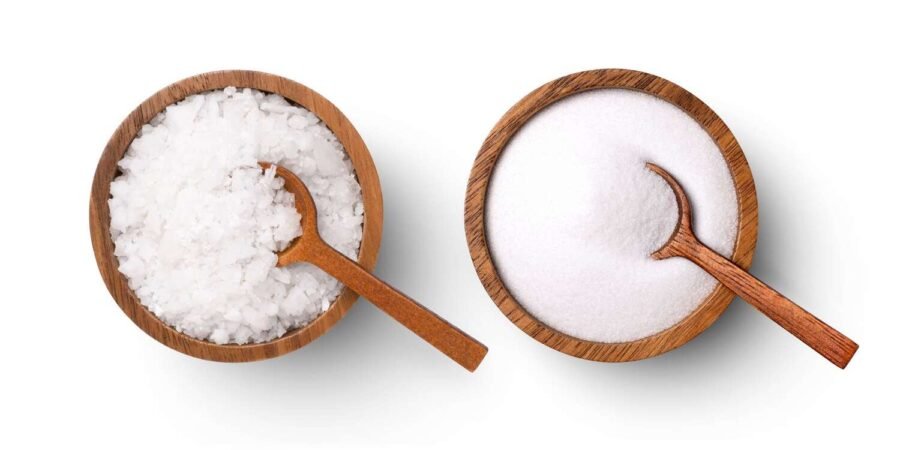
Salt does far more than simply enhance flavor. It also improves food texture, preservation, and shelf life, making it an essential ingredient across the food industry. When discussing food-grade salt, many people immediately think of traditional kitchen salt, also known as vacuum salt. However, Sea Salt has emerged as a sustainable and natural alternative that offers several culinary and environmental advantages.
Here’s a closer look at the differences between sea salt and vacuum salt—and why more food producers and consumers are choosing sea salt today.
Table of Contents
How Is Sea Salt Produced?
Sea salt is harvested naturally through the evaporation of pure seawater in specially designed salt basins.
Using only sun and wind, seawater gradually forms a natural salt crust that is mechanically collected once crystallization is complete. This extraction process is:
- Sustainable
- Energy-efficient
- Environmentally responsible
Unlike heavily refined salts, sea salt undergoes minimal processing while retaining its natural character.
Characteristics of Sea Salt
Sea Salt is known for several distinctive qualities:
- Naturally coarse grains that provide texture and crunch
- Rich mineral and trace element content
- Pure composition without unnecessary chemical additives
- Versatility across multiple food applications
After harvesting, the salt is washed, dried, and sieved to achieve the desired grain size and quality for culinary use.
How Is Vacuum Salt Produced?
Vacuum Salt, commonly referred to as traditional table salt or kitchen salt, is extracted from underground salt deposits.
The process involves:
- Pumping water into underground salt layers
- Creating a concentrated brine solution
- Transporting the brine to the surface
- Chemically purifying the solution
- Boiling the brine to produce fine salt crystals
This highly industrialized process creates the bright white, fine-grain salt commonly used in households and industrial applications.
Characteristics of Vacuum Salt
Vacuum salt is:
- Highly refined
- Fine in texture
- Primarily composed of sodium chloride
However, the extraction and production process also comes with several drawbacks:
- High energy consumption
- Greater environmental impact
- Soil erosion risks in underground mining areas
- Frequent use of anti-caking agents such as E535 or E536
In fact, more than 60% of vacuum salt production is used in the chemical industry for chlorine and lye manufacturing rather than food applications.
Sea Salt vs. Vacuum Salt: The Main Differences
Although both salts mainly consist of sodium chloride, their production methods and composition create noticeable differences.
| Sea Salt | Vacuum Salt |
|---|---|
| Naturally harvested from seawater | Extracted from underground deposits |
| Sustainable and energy-efficient | Energy-intensive production |
| Contains natural minerals and trace elements | Highly refined and purified |
| Naturally coarse texture available | Usually very fine texture |
| No anti-caking additives required | Often contains anti-caking agents |
| Lower environmental impact | Higher carbon footprint |
Why Minerals Matter
One of the key advantages of sea salt is its natural mineral composition.
Sea salt contains naturally occurring:
- Magnesium
- Calcium
- Trace minerals
These elements contribute to:
- A more balanced flavor profile
- Enhanced texture
- Greater culinary depth
Because of its versatility, sea salt can be used in:
- Bread production
- Snacks
- Dairy products
- Spice blends
- Meat and fish processing
- Gourmet cuisine
In most food applications, high-quality sea salt can replace vacuum salt on a 1:1 basis.
Why Sea Salt Is Becoming More Popular
Historically, vacuum salt was often preferred due to easier access to local suppliers, while Mediterranean sea salt required longer transportation routes.
Today, companies like Moses have solved these logistical challenges through strategically located facilities, including operations in Ghent and Roeselare and one of Europe’s largest indoor salt terminals.
This allows food manufacturers and distributors to benefit from:
- Reliable supply chains
- High-quality sea salt products
- Sustainable sourcing practices
Why Choose Sea Salt?
The benefits of sea salt are clear:
- Sustainable production
- Natural extraction methods
- Rich mineral composition
- Excellent taste and texture
- Wide culinary versatility
As consumer demand for natural and environmentally responsible ingredients continues to grow, sea salt has become an increasingly attractive solution for both food producers and home kitchens.