
What Is the Chemical Formula for Salt?
Salt is a term commonly used in our daily lives. It is an essential ingredient in food production and many other industries. But what exactly is salt, and what distinguishes one type from another? In this article, we’ll explore Chemical Formula for Salt, common salt compounds, and their diverse industrial applications.
Table of Contents
What Is Chemical Salt?
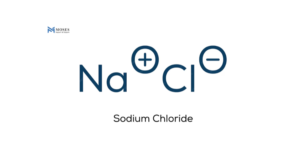
Salts are chemical compounds formed by the combination of a cation (a positively charged ion) and an anion (a negatively charged ion). The most common type is table salt, which is composed of sodium cations (Na⁺) and chloride anions (Cl⁻), giving it the chemical formula NaCl.
There are many types of salt, each with its own chemical composition and unique properties. For example, sea salt is a natural mixture of various salts, including sodium chloride, magnesium chloride, and potassium chloride.
What is sodium chloride?
sodium chloride
Sodium chloride is an inorganic chemical compound that belongs to the chloride group. It is the sodium salt of hydrochloric acid and has the chemical formula NaCl. It is the primary component of table salt and is also widely used in food processing, water treatment, and road de-icing. Naturally occurring as the mineral halite, sodium chloride forms extensive rock salt deposits. In the human body, it provides essential sodium and chloride ions that support vital functions, help maintain electrolyte balance, regulate fluid levels and blood pressure, and ensure proper nerve and muscle function.
Chemical Compounds for Salt
- The chemical formula for salt is NaCl.
- It consists of sodium (Na⁺) and chloride (Cl⁻) ions.
- Sodium chloride is widely used in food, water softening, industrial processes…
Other Examples of Salts
- Calcium chloride (CaCl₂): Often used as ice melt on roads.
- Potassium chloride (KCl): Used in fertilizers and water softeners.
- Magnesium sulfate (MgSO₄): Known as Epsom salt, used in agriculture and medicine.
Applications of Different Salts
- Water softening salt typically refers to sodium chloride or potassium chloride used to remove hardness from water.
- Ice melt salts often contain calcium chloride or sodium chloride due to their melting properties at low temperatures.
- Salts also play a crucial role in chemical manufacturing, food preservation, and environmental control.
Is Salt a Chemical? Understanding Salt in Chemistry
Yes, salt is considered a chemical compound. In chemistry, a salt is defined as an ionic compound formed through the reaction between an acid and a base. This means that salt is not only a common culinary ingredient but also a well-defined chemical substance with predictable properties and behavior.
When people search for terms such as chemical salt, what is a chemical salt, or salt in chemical terms, they are referring to this class of ionic compounds. Sodium chloride (NaCl) is the most familiar example, but there are many other types of salts, each with its own chemical formula and distinct properties.
The Uses of Salts in Everyday Life
Salts play a vital role in everyday life, with applications ranging from food production and healthcare to agriculture and industrial manufacturing. While the chemical formula of salt is commonly recognized as NaCl for table salt, many other salt compounds have unique properties that make them valuable in different industries.
Salts in Food and Cooking
Table salt (sodium chloride, NaCl) is one of the most widely used food ingredients, enhancing flavor while acting as an effective preservative to help prevent spoilage. It also plays an important role in food preparation by improving texture. For example, in bread making, salt strengthens the gluten network, resulting in better dough structure and consistency.
Different types of salt are used for specific culinary purposes. Sea salt is often chosen as a finishing salt because of its distinctive texture and mineral-rich flavor, while kosher salt is preferred for seasoning and koshering meat due to its coarse crystal size. Himalayan salt is valued for its natural trace minerals and unique appearance, making it popular in both cooking and food presentation.
Salts in Medicine and Health
Salt compounds have a wide range of medical and healthcare applications. Saline solution, a sterile mixture of sodium chloride and water, is commonly used for intravenous hydration, wound cleansing, nasal irrigation, and other medical treatments. Epsom salt (magnesium sulfate) has also been used for generations as a traditional remedy to help relieve muscle soreness, reduce inflammation, and ease occasional constipation.
Maintaining the right balance of salt is essential for good health. While excessive sodium intake may contribute to high blood pressure and cardiovascular disease, certain mineral-rich salts contain small amounts of beneficial trace elements. Regardless of the source, salt should always be consumed in moderation as part of a balanced diet.
Salts in Industry and Agriculture
Beyond food and healthcare, salt compounds are essential raw materials across numerous industries.
- Chemical manufacturing: Salt is a key feedstock for producing important industrial chemicals, including chlorine, caustic soda (sodium hydroxide), and soda ash (sodium carbonate).
- Agriculture: Various salts are used in fertilizers to supply essential nutrients for plant growth, support animal nutrition, and assist in controlling certain pests and plant diseases.
- Water treatment: Salt plays a critical role in water treatment processes, including water softening, desalination, and purification, helping improve water quality for domestic and industrial use.
- De-icing: Rock salt (primarily sodium chloride) is widely used to melt ice and improve road safety on highways, streets, and sidewalks during winter.
Contact Us for Salt Supply
We offer worldwide logistics and tailored solutions to meet your needs efficiently and reliably.
Contact Us for Salt supply
We offer worldwide logistics and tailored solutions to meet your needs efficiently and reliably.