
Tablet Salt: A High-Purity Product for Water Treatment and Industrial Applications
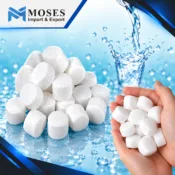
A bag of tablet salt may look simple: uniform white tablets made primarily from sodium chloride.
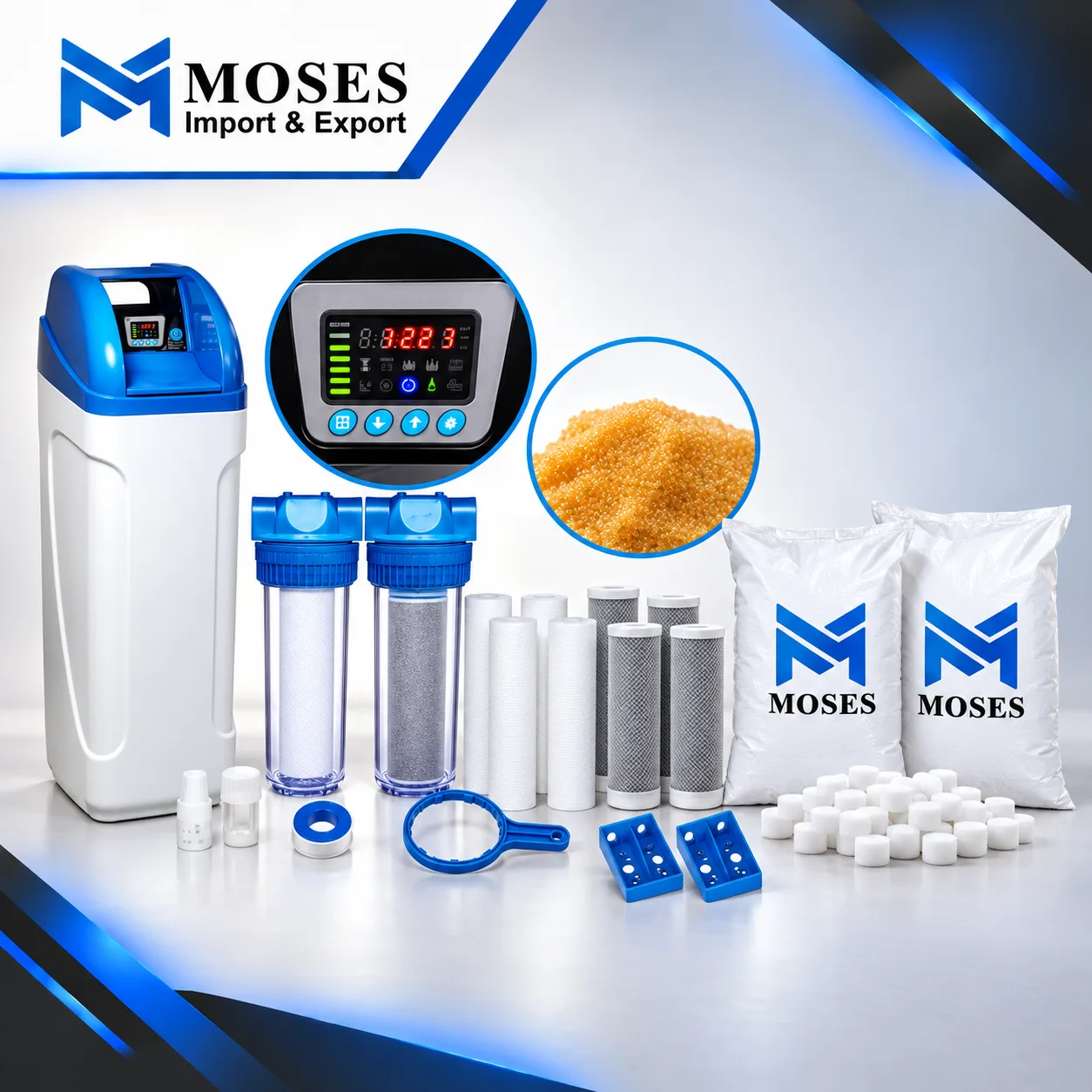
Inside a water-softening system, however, their job is very specific. The tablets dissolve into brine, and that brine is used to regenerate the ion-exchange resin that removes hardness minerals such as calcium and magnesium from water.
That distinction matters because not every form of salt is designed to perform the same way inside a softener.
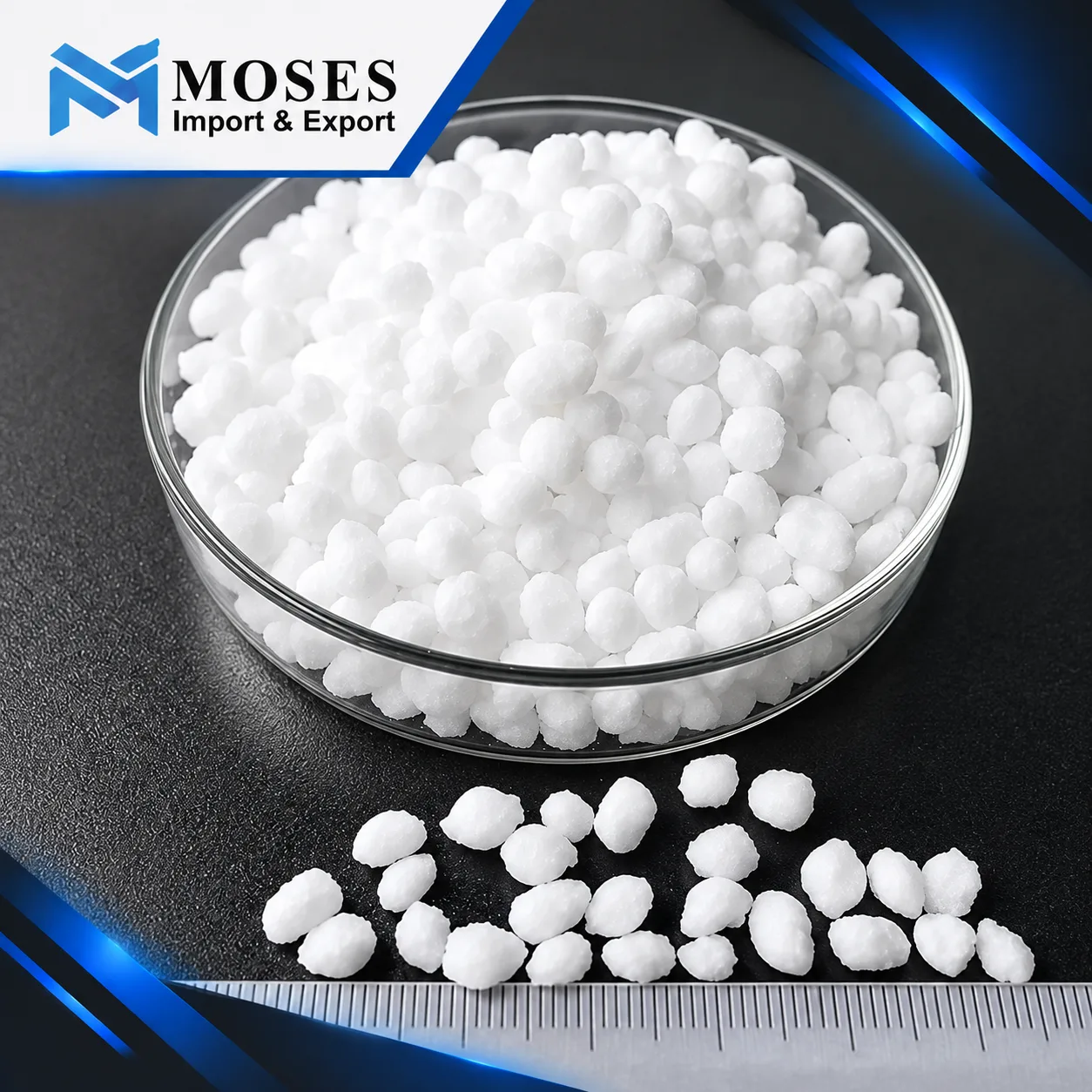
Moses Salt Co. currently describes its regular water-softening tablets as compressed salt made for domestic and industrial softening systems, including systems treating potable water and water intended for food production. Its product page lists EN 973 Type A, tablet dimensions of approximately 25 mm × 15 mm, no additives, and packaging options including 10 kg, 25 kg, and 1,000 kg bags.
So if you are asking what is tablet salt, the useful answer is not simply “salt shaped into tablets.”
It is salt manufactured in a controlled form so that it can dissolve predictably and produce brine for a defined water-treatment process.
Table of Contents
What Is Tablet Salt?
Tablet salt is high-purity sodium chloride that has been compacted under pressure into uniform tablets or pellets.
The original Moses article describes the product as refined salt processed into compact tablets, typically with high NaCl purity. The company’s current product specification states that its Regular tablets are made from salt compressed under controlled pressure to resist premature disintegration.
The shape has a practical purpose.
Loose fine salt can behave differently inside a brine tank. Uniform tablets are designed to:
- remain relatively stable during transport and storage;
- flow more cleanly into a softener tank;
- dissolve in a controlled manner;
- generate brine consistently;
- reduce unnecessary dust compared with very fine loose salt.
The tablet itself is not what softens the water directly. It supplies the sodium chloride needed for regeneration.
What Are Salt Tablets Used For?
For the product discussed here, the strongest and clearest application is water softening.
If someone asks what are salt tablets used for, the process looks like this:
- Hard water passes through an ion-exchange resin.
- The resin captures calcium and magnesium ions associated with hardness.
- Over time, the resin becomes exhausted.
- A concentrated sodium chloride brine is introduced.
- The brine regenerates the resin so the softener can continue operating.
Moses describes its tablets specifically as being produced to generate brine for regenerating ion exchangers in domestic and industrial water-softening systems.
This is more precise than saying the salt simply “removes scale.”
The salt supports the regeneration process. The ion-exchange system performs the actual softening.
What Is a Salt Tablet?
The search what is a salt tablet can be ambiguous because “salt tablet” is also sometimes used for oral sodium chloride products.
That is not what this article means.
Here, a salt tablet is a compressed water-treatment salt product designed for a brine tank or water-softening installation.
Moses explicitly states that its water-softener tablets are not intended for human consumption.
This distinction should remain clear in product descriptions, export enquiries, and SEO content.
Water-softener salt tablets should not be presented as nutritional or medical tablets simply because both products contain sodium chloride.
How Tablet Salt Works in a Water Softener
Understanding the regeneration cycle makes the value of the tablet form much clearer.
Hard water contains dissolved calcium and magnesium. Inside an ion-exchange softener, these hardness ions are retained by the resin while sodium ions are released into the treated water.
Eventually, the resin must be regenerated.
At that stage, the softener draws concentrated brine from the salt tank. Sodium ions from the brine displace the accumulated calcium and magnesium from the resin, allowing the system to begin another softening cycle.
Salt suppliers specializing in water treatment describe tablets as a practical format because they provide sodium chloride for this regeneration process in both domestic and industrial systems.
So the real value of the tablet is not a special chemical ingredient.
It is controlled sodium chloride delivery in a physical form suited to the softener.
Why Purity Matters
A water-softener salt should dissolve to create brine without leaving unnecessary insoluble material in the tank.
That is why purity matters.
Lower-quality salt can contain more insoluble matter or unwanted minerals. These do not regenerate the resin and may remain in the brine tank as residue.
Moses currently markets its Regular salt tablets for potable and industrial water softening and states that the product contains no additives or anti-caking agents.
When comparing suppliers, useful specification points include:
| Specification | Why it matters |
|---|---|
| NaCl content | Indicates the main active salt content |
| Insoluble matter | Can affect residue in the brine tank |
| Moisture | Influences storage and handling |
| Tablet dimensions | Helps confirm compatibility and consistency |
| Compression strength | Influences breakage during handling |
| Additives | May matter for certain systems or standards |
| Dissolution behavior | Affects brine generation |
| Product standard | Helps match the salt to the intended water application |
A statement such as “premium tablets salt” tells a buyer very little without those details.
Tablet Salt vs Salt Crystals vs Block Salt
Not every water softener is designed for the same salt format.
That is an important purchasing distinction.
Tablet Salt
Compressed pellets or tablets are poured into a brine tank.
They are widely used in domestic, commercial, and industrial softening equipment.
Salt Crystals
Crystalline or granular softener salt remains loose rather than being pressed into individual tablets.
It can also produce regeneration brine, but handling and dissolution characteristics differ.
Block Salt
Block salt is manufactured in much larger solid units and is intended for softeners specifically designed to accept blocks.
The important rule is not “tablets are always better.”
It is:
Use the salt format recommended for the water-softening equipment.
Some systems are tablet-fed; others are designed around blocks or granular salt. Using the wrong physical format can interfere with operation.
Salt Tablet Uses in Domestic Water Softening
One of the principal salt tablet uses is regeneration in household water softeners.
In hard-water areas, calcium and magnesium can contribute to scale deposits on heating elements, plumbing, and appliances.
The softener reduces hardness, while the salt regenerates the resin so the treatment process can continue.
For a homeowner or distributor, that means the main practical questions are:
- Does the softener accept tablets?
- What salt quality does the manufacturer recommend?
- How much salt does the brine tank hold?
- How frequently does the unit regenerate?
- How should the product be stored?
The answer to those questions is more useful than choosing salt based only on price per bag.
Commercial and Industrial Salt Tablet Uses
Larger systems use the same underlying ion-exchange principle, but the operating scale can be very different.
Commercial and industrial installations may include:
- water-treatment plants;
- production facilities;
- food-processing water systems;
- boiler-feed treatment;
- hospitality facilities;
- laundries;
- commercial buildings;
- industrial process-water systems.
Moses specifies its product for both domestic and industrial water softening, while other suppliers similarly describe tablet salt as a regeneration product for ion-exchange treatment across commercial and industrial applications.
At larger scale, procurement decisions become more technical.
Consistency between deliveries, packaging, residue, moisture protection, and supply volume may matter as much as the nominal NaCl percentage.
Are Salt Tablets Used Directly in Food?
This point deserves more precision than the original article provided.
The older Moses article mentions food-industry uses for tablet salt. However, the company’s current dedicated product page describes the tablets more specifically as suitable for softening drinking water and water intended for food production.
Those are not exactly the same claim.
A tablet used to regenerate a water softener serving a food-production facility should not automatically be described as an ingredient added directly to processed meat, dairy products, or canned food.
For commercial purchasing, always define whether the requirement is:
- water-treatment salt;
- food-production water softener salt;
- or food-grade salt intended as a direct ingredient.
These are different use cases.
Tablet Salt for Potable Water Treatment
When a water softener treats drinking water, product specification becomes especially important.
Moses lists its Regular tablets as EN 973 Type A and suitable for softening potable water.
For an importer or system operator, do not rely only on the phrase “high purity.”
Request the current product documentation relevant to the order.
That may include, depending on the product and market:
- technical data sheet;
- certificate of analysis;
- applicable product standard;
- safety documentation;
- packaging information;
- manufacturing or batch details where required.
The correct documents depend on the destination market and intended application.
Why Uniform Tablet Shape Matters
Compression does more than make salt visually neat.
Uniform tablets make handling and brine production more predictable.
A tablet that breaks apart excessively during transport can create more fines and dust. A product that is poorly compacted may behave differently in storage and inside the brine tank.
Moses describes its tablets as being compacted under controlled high pressure to prevent premature disintegration.
Other industry suppliers similarly emphasize tablet integrity, dissolution, low residue, and consistent dimensions when specifying water-softener salt.
For bulk procurement, these characteristics can matter more than appearance.
Fast Dissolving or Slow Dissolving: Which Is Better?
Marketing descriptions of tablet salt sometimes use both phrases.
That can create confusion.
The useful question is not whether a tablet is simply “fast” or “slow” dissolving.
A softener needs salt to form sufficient brine for regeneration while avoiding undesirable behavior such as excessive breakdown, residue, or salt bridging.
In other words, dissolution should be appropriate and predictable for the system.
Do not select a product solely because the supplier describes it as “fast dissolving.”
Ask for the specification and confirm compatibility with the equipment.
What Are Salt Tablets Made From?
For water-softening applications, tablets are primarily sodium chloride.
The raw salt can come from different production routes.
Moses lists sea salt and rock salt as possible raw materials for its Regular tablet product, while the tablets themselves are produced through controlled compaction.
This means two tablet products may look similar while differing in:
- raw-material source;
- purification;
- insoluble content;
- moisture;
- compression quality;
- final specification.
The shape alone does not establish quality.
What About “Tab Salt” and “Tablets Salt”?
Search engines often contain non-standard expressions such as tab salt and tablets salt.
In water treatment, these usually point toward the same product category people more naturally call:
tablet salt
or
salt tablets.
For technical documentation and commercial enquiries, “tablet salt” or “water-softener salt tablets” is clearer.
A phrase such as tablets salt may be useful as a search term, but it should not replace the correct product terminology in a specification sheet or quotation.
How to Use Salt Tablets
The actual procedure depends on the softener model.
Generally, water-treatment tablets are placed in the softener’s brine tank or salt compartment.
The machine then uses the salt to prepare brine during regeneration.
Moses recommends adding the tablets to the water-softening system and maintaining an adequate salt level in accordance with the system’s requirements.
A practical routine is:
- Check the brine tank periodically.
- Refill it before the salt level becomes too low.
- Use the salt type specified for the equipment.
- Avoid contaminating the tank with unsuitable salt or debris.
- Follow the softener manufacturer’s filling and maintenance instructions.
Do not assume that filling the tank completely is always the correct procedure for every model.
The equipment manual remains the operating reference.
Storage Matters More Than It Looks
Salt readily interacts with moisture.
Poor storage can create damaged packaging, clumping, broken tablets, or unnecessary handling problems.
Moses specifies dry storage for its tablet product.
For commercial quantities, buyers should think about storage before delivery:
- Is the warehouse dry?
- Will bags sit directly on the floor?
- Is the packaging protected from rain?
- Can pallets or big bags be handled safely?
- How quickly will the inventory be consumed?
A good product can become difficult to use if it is stored badly.
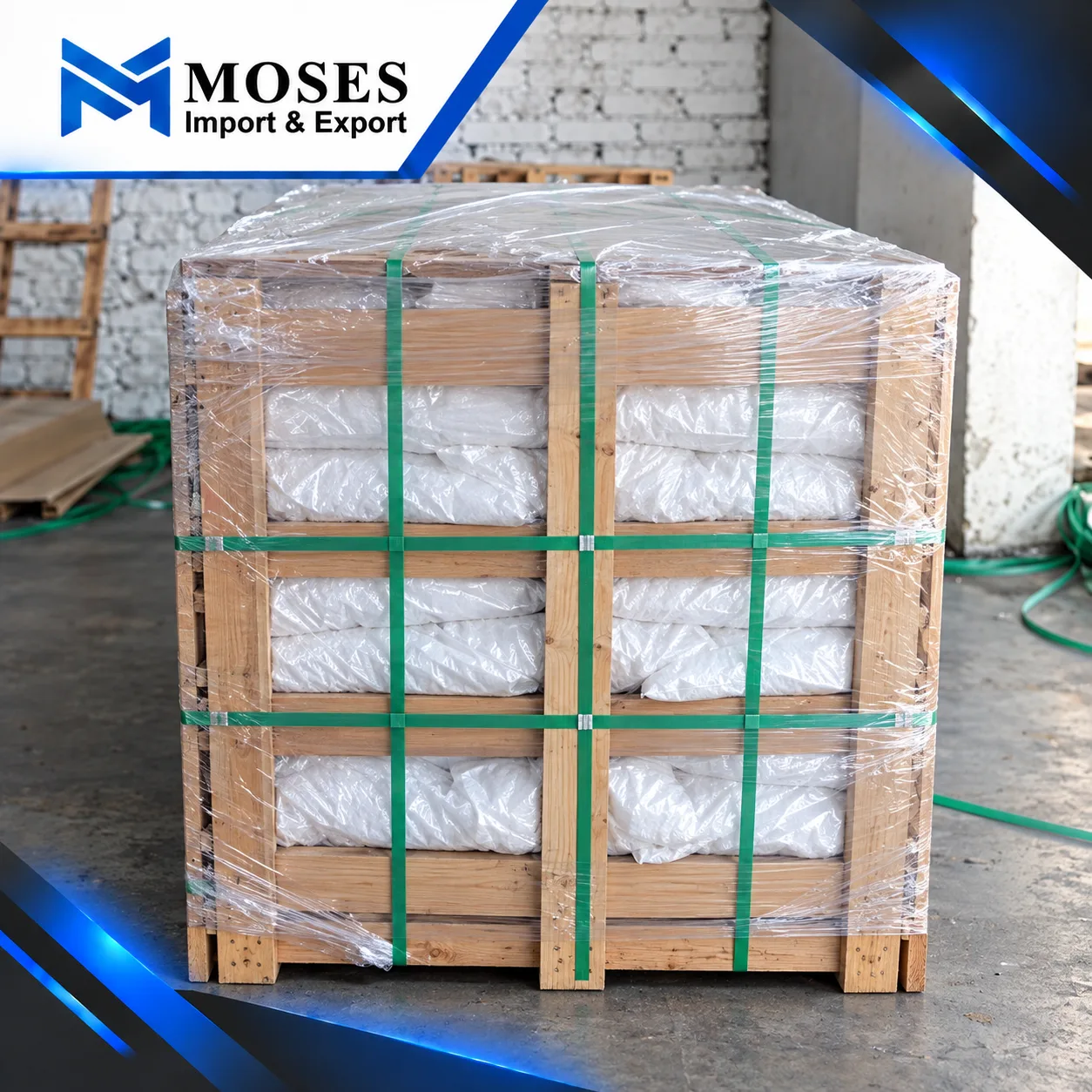
Packaging for Domestic and Bulk Orders
Moses currently lists several packaging formats for its Regular tablets:
- 10 kg bags;
- 25 kg bags;
- 1,000 kg big bags.
The right format depends on the buyer.
Smaller bags are easier to handle for domestic and commercial distribution.
A 1,000 kg big bag may make more sense for larger industrial users with appropriate unloading and handling equipment.
Packaging should therefore be part of the quotation, not an afterthought.
How to Compare Tablet Salt Suppliers
If two suppliers both offer “99.5% salt tablets,” that does not automatically mean the products are equivalent.
Compare the full specification.
A practical buyer checklist includes:
- NaCl specification;
- applicable standard;
- insoluble matter;
- moisture;
- tablet size;
- tablet integrity;
- raw-material type;
- additives;
- packaging;
- storage requirements;
- available order volume;
- destination and shipping terms;
- technical documentation.
This is especially important for export orders, where a small product difference can become expensive after an entire container has arrived.
Exporting Salt Tablets from Egypt
The original Moses article presents Egypt as a source for exported tablet salt and emphasizes certificates, packaging, commercial quotations, and shipment support.
For an international buyer, the useful process is more specific.
Start with:
- application;
- required product standard;
- tablet specification;
- quantity;
- packaging;
- destination;
- required documentation.
Then request the quotation.
That sequence produces a much more meaningful commercial offer than simply asking for “the price of salt tablets.”
Questions to Ask Before Buying
Before confirming an order, ask the supplier:
What is the NaCl specification?
Not simply “Is it high purity?”
Which standard does the product meet?
The answer should relate to the grade being offered.
Does it contain additives?
Moses currently states that its Regular product is additive-free.
What is the tablet size?
The current product page lists approximately 25 mm diameter × 15 mm thickness.
Which packaging is available?
This affects handling, warehousing, and freight.
Is this grade intended for potable-water softening?
Do not infer suitability from appearance alone.
Can I receive current technical documentation?
For a commercial order, documentation should correspond to the product being quoted.
Tablet Salt: Choose the Specification, Not Just the Shape
The answer to what is a salt tablet is straightforward:
It is compressed sodium chloride formed into a convenient tablet.
But that definition is not enough for a buyer.
Good tablet salt should be evaluated by what happens after it enters the brine tank:
Does it match the equipment? Does it dissolve appropriately? Does it leave low residue? Is its specification suitable for the water being treated? Can the supplier document the grade being offered?
Those questions matter more than whether the product simply looks clean and uniform.
For domestic or industrial water softening, salt tablets are not merely another shape of common table salt. They are a processed water-treatment product designed to support reliable ion-exchange regeneration.